

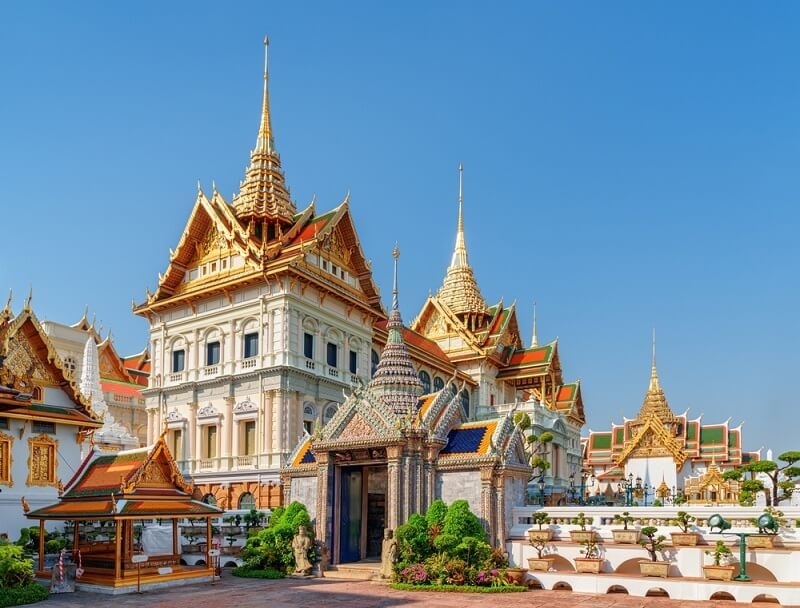
Bangkok temples hold an important place in Thai Buddhism and among the local population. These sacred spaces also show how cultural rituals Thailand follows and continues even in a busy city.
This blog provides a simple overview of these places, allowing visitors to understand what they see. It also explains everything about spiritual travel Bangkok properly.
Must Read: Discovering Bangkok’s Temples: A Spiritual Journey
Thai Buddhism shapes many daily actions in Bangkok temples, and it shows in small and steady routines. People walk in, light incense, bow their heads, or sit quietly before a Buddha image. These rituals feel calm and simple, and they reflect the cultural rituals Thailand has passed down for many years.
Visitors often notice how the pace inside the temple feels different from the street outside. Things slow down. Steps become softer. Even people who visit for the first time notice this shift. It is not forced. It is something that just happens when the space makes you move with more care. For many people, this is where spiritual travel Bangkok begins, not with big ideas, but with quiet actions.
Inside these temples, monks walk slowly through halls or gather for their daily routines. Visitors step aside or give a small nod. It becomes clear that respect is built into the design of these spaces. The long walkways, the open halls, and the soft sounds help visitors feel present. Thai Buddhism is not only about teachings. It is also about the rhythm of daily life, and temples make that rhythm easier to see.
Visitors who want to understand Thai Buddhism can start with a few well-known temples. These places are calm, active, and easy to explore. Below are three temples that give a clear view of daily rituals and long-held traditions.

This is one of the most respected temples in the city. Visitors see detailed artwork, steady rituals, and a strong connection to Thai Buddhist life.
Wat Pho is known for its large Buddha image and peaceful halls. The quiet spaces help visitors understand how people reflect and make merit.
Wat Arun stands beside the river and shows a beautiful traditional design. Visitors see local practices, slow movement, and a calm atmosphere throughout the day.
The following list will help you with the common architectural elements in famous Bangkok temples:
These halls hold important Buddha images and usually stay quiet throughout the day. Visitors enter slowly and take a moment to notice the artwork on the walls. Many scenes show teachings linked to Thai Buddhism. These images help visitors see how simple values shape everyday actions. The hall encourages people to sit down for a short break and think quietly. This calm environment supports spiritual travel in Bangkok in a natural way.
Chedis appear in almost every major temple. They represent older traditions and hold sacred items from the past. Visitors walk around them and notice how each design shows careful thought. Even the shape and height feel intentional. They remind people how long these customs have existed. Many visitors say these structures help them slow their thoughts and feel more present during their visit.
Temple courtyards give visitors space to walk, stand, or take a quiet moment. People place incense or flowers in these areas, and the soft movement of smoke creates a steady and peaceful feel. These courtyards also demonstrate how cultural rituals in Thailand persist to this day. They make the temple experience simple and open, even for first-time visitors.
These real practices are easy to see in many Bangkok temples. They are simple actions that show daily Thai Buddhist life.
People offer flowers, candles, incense, or food to make merit. Tam Boon is a calm and steady practice that visitors can join easily.
Wai Phra is done by sitting or kneeling before a Buddha image and bowing the head. It is a short moment of respect and reflection.
In the morning, people give food to monks as they walk or stand near the temple gates. Tak Bat keeps the bond between monks and the community strong.
People light incense (Thup) and candles (Fai Thien) to steady their thoughts and show respect. It adds a soft and peaceful feeling to the temple.
Visitors place lotus flowers at shrines to show purity and gratitude. Bai Bua is simple, gentle, and easy to follow.
Wian Tian is walking around a chedi three times, usually clockwise. It is done on special days or for quiet personal reflection.
Monks chant in steady tones during Suat Mon. Visitors sit quietly and let the sound bring calm and focus.
People release small fish or birds as a symbol of compassion and kindness. Loek Satt is still practiced with care in many temples.
Visitors may receive a monk’s blessing through holy water. Nam Mon is a simple act for protection and good energy.
Bangkok temples support the daily rhythm of the community. They give people places to reflect and practice rituals connected to Thai Buddhism. These spaces also help visitors understand the cultural rituals Thailand continues today. The temples offer calm areas where people can slow down and take a breath.
Visitors often feel that time moves differently inside these temple grounds. This contrast between the quiet interior and the busy streets outside gives the city a special balance. It also explains why spiritual travel Bangkok appeals to both new and returning visitors.
Top Pick: A Guide to Ancient Temples and History of Ayutthaya Thailand
Bangkok temples show the values of Thai Buddhism and the cultural rituals Thailand continues today. These spaces offer calm moments and simple lessons. Visitors who explore them with care often find clear insights and peaceful experiences during their spiritual travel in Bangkok.
They support daily practices and help keep traditional values alive.
Visitors can see incense lighting, flower offerings, morning giving, and quiet reflection.
Yes, by observing local actions and moving with care.
This content was created by AI