

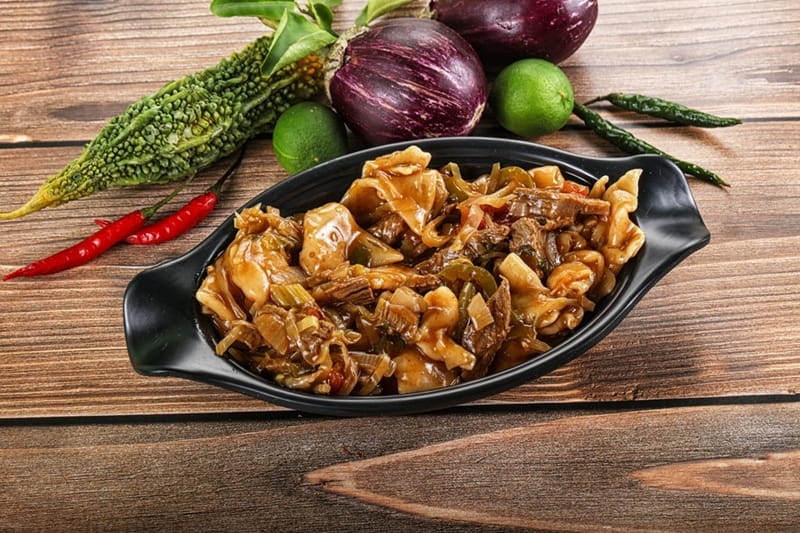
Tibetan cuisine is built for survival. The food comes from high mountains, cold weather, and limited crops. That is why it is filling, simple, and packed with energy. You will not find heavy sauces or complicated plating. You will find barley, meat, dumplings, soups, and dairy.
If you are curious about authentic Tibetan food or looking for the best Tibetan food in Asia, this guide covers what matters. From Tibetan dumplings (momos) to the growing popularity of Tibetan restaurant culture, especially in restaurants in Bangkok, here is what you need to know.
Tibetan cuisine developed on the Himalayan plateau. The climate is harsh. Farming options are limited. According to food historians and travel sources such as Tibet Travel and academic studies on Himalayan food systems, barley has been a staple for centuries. Yak meat and dairy are also central to daily meals.
That geography shapes everything.
Core characteristics of Tibetan cuisine:
Unlike Chinese or Thai food, Tibetan cuisine is not built around bold spice or stir fry techniques. The focus is warmth, calories, and nourishment.
Must Read: Wagyu Boat Noodles Bangkok Luxury Street Food Experience
If you want to understand authentic Tibetan food, look at the ingredients first.
Barley is ground into roasted flour called tsampa. It is often mixed with tea or butter and eaten daily. It is practical, filling, and easy to store.
Yak provides meat, milk, butter, and cheese. Yak butter tea is one of the most recognized drinks in Tibetan cuisine. It sounds unusual at first, but in cold climates it makes sense.
Potatoes and radishes are common because they grow well in high altitude regions.
Garlic, ginger, and mild spices are used. The flavor is clean and direct. The goal is nourishment, not heat.
This is what separates authentic Tibetan food from fusion Himalayan menus you may see in bigger cities.
If you only try one dish from Tibetan cuisine, make it Tibetan dumplings (momos).
Momos are soft dumplings filled with:
They are usually steamed but can also be pan fried. They come with a spicy dipping sauce made from chili and tomato.
Why are Tibetan dumplings (momos) so popular?
In many cities around the world, momos are the entry point into Tibetan cuisine. They are simple, satisfying, and hard to dislike.
Another important part of Tibetan cuisine is soup.
Thukpa is a noodle soup with vegetables and meat in a clear broth. It is filling without being heavy. In cold regions, this is everyday food.
Thenthuk uses hand pulled noodles. The texture is slightly thicker and more rustic.
These soups are common in any serious Tibetan restaurant. If you are trying authentic Tibetan food for the first time, pair momos with thukpa. That combination gives you a real sense of traditional meals.
Tingmo is a steamed bread served as a side. It looks simple but works well with stews.
Butter tea is made with tea leaves, yak butter, salt, and sometimes milk. It is high in calories and designed for cold climates. According to cultural studies on Tibetan communities, butter tea is part of daily life and hospitality rituals.
These dishes show how Tibetan cuisine is tied to lifestyle, not trends.
Over the past two decades, Tibetan restaurant culture has expanded globally. You will find spots in New York, London, Delhi, and Southeast Asia.
Many people discover Tibetan cuisine while traveling. Others look for authentic Tibetan food because they want something different from common Asian menus.
When choosing a Tibetan restaurant, look for:
That usually signals you are getting closer to the best Tibetan food rather than a simplified fusion version.
Bangkok has one of the most diverse food scenes in Asia. Alongside Thai, Japanese, and Korean food, you will also find Tibetan restaurant options.
Two well known restaurants in Bangkok for Tibetan cuisine are:
These restaurants in Bangkok are popular among travelers and locals looking for authentic Tibetan food. Menus often include Tibetan dumplings (momos), thukpa, tingmo, and traditional soups.
If you are searching for the best Tibetan food in Bangkok, start with:
Bangkok makes it easier to try Tibetan cuisine without traveling to the Himalayas.
Not every place labeled Himalayan serves true Tibetan cuisine. Here is what separates the best Tibetan food from average versions.
The best Tibetan food feels homemade. It should taste clean, warming, and filling.
Don’t Miss: Ronin Pizza Bangkok: A Bold Slice That Feels Truly Italian
People are looking beyond common Asian food categories. Sushi and pad thai are everywhere. Tibetan cuisine feels new but still approachable.
Reasons for its growth:
At the same time, authentic Tibetan food still stays true to its roots. It is not trying to compete with heavily spiced cuisines. It stands on its own.
If you are visiting a Tibetan restaurant for the first time, keep it simple.
Order:
This combination gives you a full picture of Tibetan cuisine without overcomplicating the experience.
Also check: Moo Krata Bangkok Restaurants That Locals Love For Real BBQ
At its core, Tibetan cuisine is practical food shaped by geography and history. It values nourishment, warmth, and balance.
Authentic Tibetan food is not flashy. It is steady and comforting. Whether you try it in a Himalayan town or at restaurants in Bangkok, the experience is grounded in tradition.
If you are searching for the best Tibetan food, focus on authenticity, handmade elements, and simple preparation. That is where Tibetan cuisine shines.
Here are quick answers to common questions about Tibetan cuisine.
Tibetan cuisine is known for barley based dishes, yak meat, butter tea, noodle soups, and Tibetan dumplings (momos). It focuses on simple, filling meals.
No. Authentic Tibetan food uses mild seasoning. It is less spicy than Indian or Thai food. The flavor comes from broth, meat, and simple ingredients.
Major cities with diverse food scenes often have a Tibetan restaurant. Restaurants in Bangkok are a good example, offering Tibetan cuisine with traditional dishes like momos and thukpa.
This content was created by AI